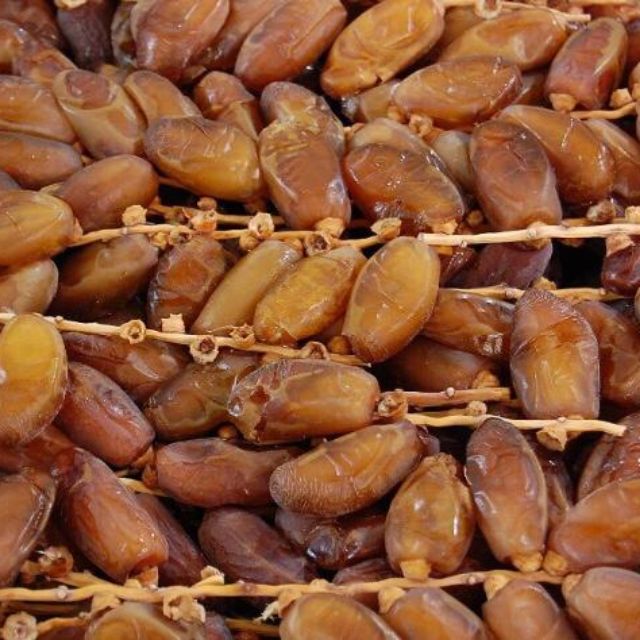
In Malaysia and around the world, dates are not just a delicious treat; they are also a cultural staple, especially during festive seasons. Known locally as “kurma,” these sweet fruits come in various types, each boasting unique flavors and textures. This article will delve into the most popular jenis2 kurma found in Malaysia, examining their distinct characteristics, and helping readers appreciate the diversity of this beloved fruit.
The Importance of Jenis2 Kurma
Understanding the various types of kurma is essential for both consumers and retailers. Each type has different culinary uses, pricing, and health benefits. For date shops, offering a variety of kurma can attract a broader customer base. For general readers, knowing the differences can enhance their appreciation for this nutrient-rich fruit.
Popular Types of Kurma in Malaysia
- Kurma Medjool
- Taste: Known for its rich, caramel-like flavor, Medjool dates are often considered the “king of dates.” They are sweet, moist, and have a chewy texture.
- Texture: These dates are larger and plumper than most varieties, making them a favorite for snacking.
- Uses: Medjool dates can be enjoyed on their own, added to salads, or used in desserts.
- Kurma Ajwa
- Taste: Ajwa dates have a unique taste that is both sweet and slightly tangy. They are often revered for their historical and religious significance.
- Texture: These dates are softer and have a finer texture, making them ideal for those who prefer a less chewy option.
- Uses: Commonly eaten during Ramadan, Ajwa dates are also used in traditional medicine due to their health benefits.
- Kurma Khadrawy
- Taste: Khadrawy dates are known for their sweet, rich flavor and are often less sweet than Medjool dates.
- Texture: They are medium-sized and have a soft, chewy texture that makes them easy to eat.
- Uses: These dates are versatile and can be used in smoothies, energy bars, or enjoyed straight from the pack.
- Kurma Sukkari
- Taste: Sukkari dates are incredibly sweet and are often described as having a honey-like flavor.
- Texture: They are soft and somewhat sticky, which adds to their appeal.
- Uses: Popular for snacking, Sukkari dates are also a favorite addition to desserts and can be stuffed with nuts.
- Kurma Deglet Noor
- Taste: Often referred to as “the date of light,” Deglet Noor dates have a sweet, mild flavor that is not overpowering.
- Texture: These dates are firmer than others, giving them a unique crunch when bitten into.
- Uses: Ideal for baking and cooking, Deglet Noor dates add a subtle sweetness to various dishes.
- Kurma Barhi
- Taste: Barhi dates are known for their rich, sweet flavor and are often enjoyed fresh rather than dried.
- Texture: They are round, soft, and have a creamy texture that melts in your mouth.
- Uses: Commonly eaten fresh, Barhi dates can also be used in salads or desserts for added sweetness.
Factors Influencing Taste and Texture
1. Climate and Growing Conditions
The climate in which kurma is grown plays a significant role in determining its taste and texture. For instance, dates grown in arid regions tend to be sweeter and more concentrated in flavor compared to those grown in moister environments. In Malaysia, the tropical climate allows for the cultivation of various types of kurma, enhancing their unique characteristics.
2. Harvesting Techniques
The method used to harvest dates can also affect their quality. Dates that are handpicked are often of higher quality than those that are harvested using machines. Handpicked dates tend to be less bruised, maintaining their texture and flavor.
3. Ripeness at Harvest
The stage of ripeness at which kurma is harvested can significantly impact its taste and texture. Dates that are harvested when fully ripe tend to be sweeter and more flavorful. Conversely, dates harvested too early may lack the rich sweetness that many consumers seek.
Nutritional Benefits of Kurma Varieties
Dates are not only delicious but also packed with nutrients. Here are some health benefits associated with consuming various kurma:
- High in Fiber: Dates are an excellent source of dietary fiber, which aids in digestion and helps maintain a healthy gut.
- Rich in Antioxidants: Many types of kurma are loaded with antioxidants, which help combat oxidative stress and inflammation in the body.
- Natural Energy Boost: The natural sugars found in dates provide a quick energy boost, making them an ideal snack for athletes and busy individuals.
- Vitamins and Minerals: Kurma are rich in essential vitamins and minerals, including potassium, magnesium, and vitamin B6, contributing to overall health.
How to Choose Quality Kurma
When shopping for kurma, whether for personal consumption or for a date shop, consider the following tips to ensure you select high-quality varieties:
- Check for Freshness: Always inspect the packaging for a production date. Fresh kurma will have a more vibrant color and a moist texture.
- Look for Size and Shape: High-quality kurma will have a consistent size and shape. Avoid any that appear overly dry or have a shriveled appearance.
- Taste Testing: If possible, taste different varieties to find the ones that appeal to your palate. Each type of kurma offers a unique flavor profile that can vary from person to person.
Conclusion
In summary, understanding the different jenis2 kurma available in Malaysia enhances the appreciation for this versatile fruit. Each type offers its unique flavor, texture, and health benefits, making them suitable for various culinary uses. Whether you prefer the rich sweetness of Medjool dates or the softer texture of Ajwa dates, there is a type of kurma for everyone.
Reflecting on the variety of kurma available, it is fascinating to see how these fruits have transcended cultural boundaries, becoming beloved by people around the world. As we continue to explore the diverse flavors and textures of kurma, we not only celebrate their rich history but also recognize their place in modern diets. Embracing the world of kurma opens up a delicious avenue for culinary exploration, making every bite a delightful experience.