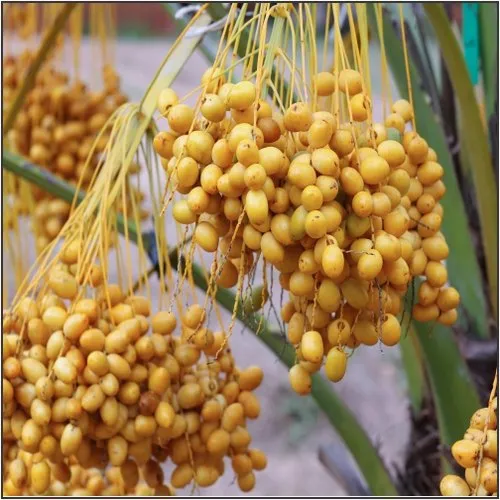
“Pemborong Kurma,” or Date Wholesalers, are the critical intermediaries that bridge the gap between date producers and retailers. They are the backbone of the date distribution network, ensuring a steady flow of dates from farms to markets, both locally and internationally. Their operations are multifaceted, encompassing procurement, storage, distribution, and market analysis. In regions where dates are a staple, Date Wholesalers play a pivotal role in maintaining food security and cultural traditions.
The Complex Operations of Date Wholesalers:
The role of a Date Wholesaler extends far beyond simple bulk purchasing and selling. It involves a sophisticated understanding of the date market and a robust logistical framework.
- Procurement and Sourcing:
- Date Wholesalers source dates from various producers, including individual farmers, cooperatives, and large-scale plantations.
- They often establish long-term relationships with growers, ensuring a consistent supply of high-quality dates.
- Understanding the nuances of different date varieties, their growing seasons, and regional variations is crucial for effective sourcing.
- This also requires the knowledge of local and international market prices.
- Storage and Inventory Management:
- Dates require specific storage conditions to maintain their freshness and quality. Date Wholesalers invest in specialized storage facilities with controlled temperature and humidity.
- Effective inventory management is essential to prevent spoilage and ensure timely delivery to retailers.
- This involves careful planning and forecasting to anticipate market demand and seasonal variations.
- They must also have a system to rotate stock, to ensure the oldest product is sold first.
- Distribution and Logistics:
- Date Wholesalers manage the distribution of dates to a wide range of customers, including supermarkets, grocery stores, specialty shops, and online retailers.
- They coordinate transportation, manage delivery schedules, and ensure that dates reach their destination in optimal condition.
- Efficient logistics are crucial for minimizing costs and maximizing customer satisfaction.
- This also includes handling the necessary export and import documentation.
- Market Analysis and Sales:
- They closely monitor market trends, consumer preferences, and competitive dynamics.
- They analyze sales data, conduct market research, and develop pricing strategies to maximize profitability.
- Building strong relationships with retailers and other customers is essential for expanding market reach and securing long-term partnerships.
- They also must be aware of changing regulations.
Challenges and Opportunities in the Wholesalers Market:
The date wholesale market is dynamic and competitive, presenting both challenges and opportunities for Date Wholesalers.
- Seasonal Fluctuations and Price Volatility:
- Date production is seasonal, leading to fluctuations in supply and demand.
- They must manage inventory levels and navigate price volatility, often influenced by weather conditions and global market trends.
- This requires strategic planning and risk management.
- Competition and Market Differentiation:
- The date wholesale market is competitive, with numerous Date Wholesalers vying for market share.
- Differentiating themselves through quality, service, and competitive pricing is crucial for success.
- Building a strong reputation and brand is essential for attracting and retaining customers.
- Technological Advancements and E-commerce:
- Technological advancements, such as e-commerce platforms and supply chain management systems, are transforming the date wholesale market.
- Date Wholesalers can leverage technology to improve efficiency, expand market reach, and enhance customer experience.
- This also includes utilizing data analytics.
- Sustainability and Ethical Sourcing:
- Consumers are increasingly demanding sustainable and ethical products.
- Date Wholesalers can differentiate themselves by sourcing dates from sustainable and fair trade producers.
- Adopting environmentally friendly practices in storage and distribution is also essential.
Strategies for Success: Navigating the Dynamics of Date Wholesalers Operations
The success of a Date Wholesaler hinges on strategic planning, operational efficiency, and a deep understanding of market dynamics. In a competitive environment, they must adopt innovative approaches to thrive.
Strategic Approaches for Date Wholesalers:
Successful Wholesalers employ a range of strategies to navigate the complexities of the date wholesale market.
- Building Strong Supplier Relationships:
- Establishing long-term, mutually beneficial relationships with date producers is crucial for ensuring a consistent supply of high-quality dates.
- They should provide support to farmers, such as technical assistance and fair pricing, to foster trust and collaboration.
- This includes fair trade practices.
- Investing in Advanced Storage and Logistics:
- Investing in state-of-the-art storage facilities with controlled temperature and humidity is essential for maintaining date quality.
- Implementing efficient logistics systems, including transportation and inventory management, can minimize costs and maximize delivery speed.
- Utilizing technology to track shipments and manage inventory can enhance operational efficiency.
- Diversifying Product Offerings:
- Offering a diverse range of date varieties and value-added products, such as date pastes, syrups, and packaged snacks, can cater to a wider customer base.
- Exploring niche markets and specialty dates can create opportunities for growth.
- This includes different grades of dates.
- Leveraging Technology and E-commerce:
- Developing an online presence and utilizing e-commerce platforms can expand market reach and attract new customers.
- Implementing supply chain management systems and data analytics tools can improve operational efficiency and inform strategic decision-making.
- This also includes online marketing.
- Focusing on Customer Service and Relationship Management:
- Providing excellent customer service, including timely delivery, responsive communication, and personalized support, is essential for building customer loyalty.
- Developing strong relationships with retailers and other customers can lead to repeat business and referrals.
- This includes being flexible and accommodating.
- Prioritizing Sustainability and Ethical Practices:
- Consumers are more and more concerned with where their food comes from.
- Adopting sustainable sourcing practices, such as supporting fair trade and organic farming, can enhance brand reputation and attract environmentally conscious customers.
- Minimizing waste and reducing environmental impact through efficient logistics and packaging is also important.